
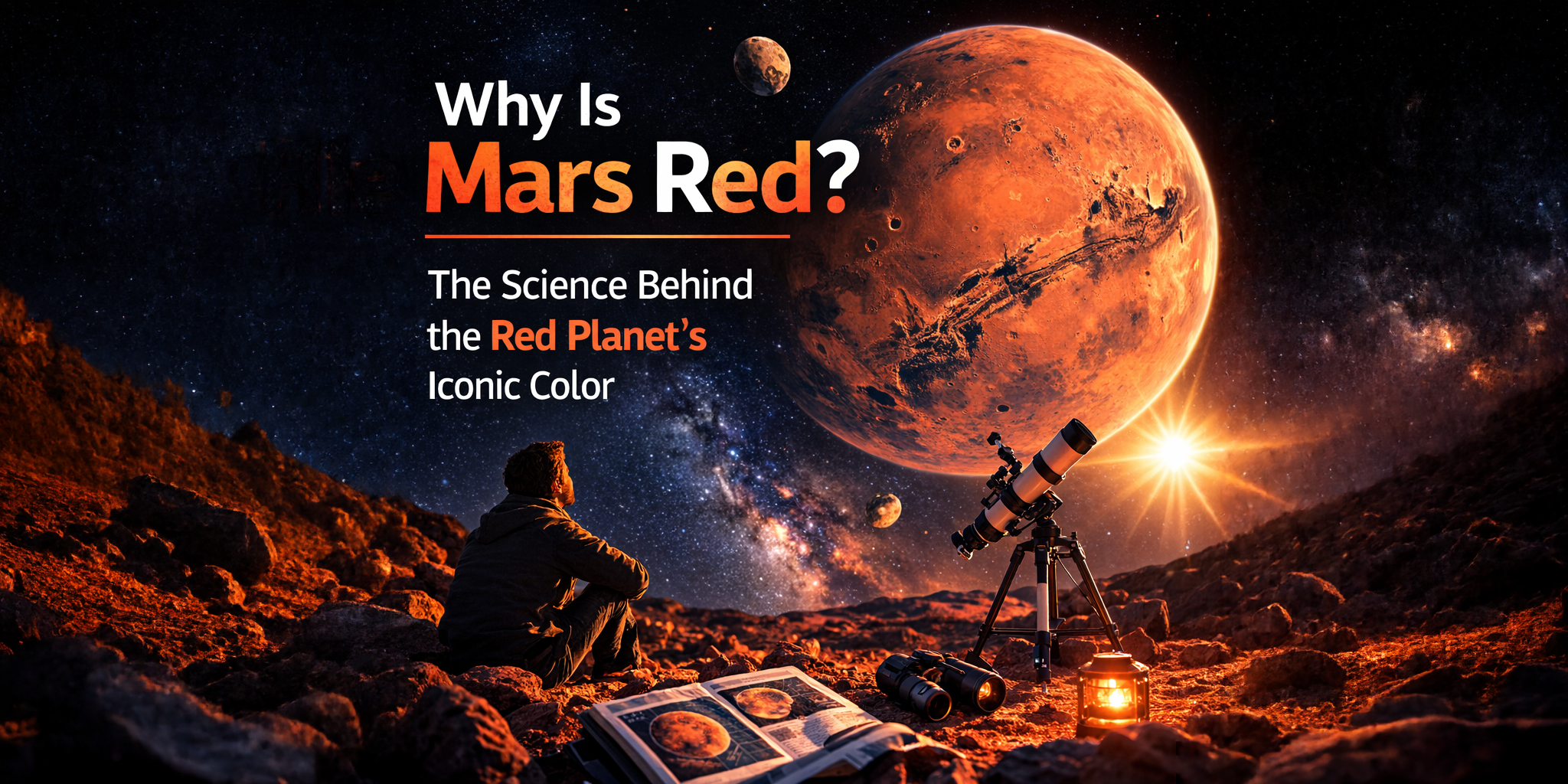
Mars has been glowing red in the night sky for as long as humans have looked up. Ancient Egyptians called it Her Desher — “the Red One.” The Romans named it after their god of war. Even before telescopes, before spacecraft, before anyone had the faintest idea what a planet actually was, people noticed that Mars looked different. Bloodier. More intense.
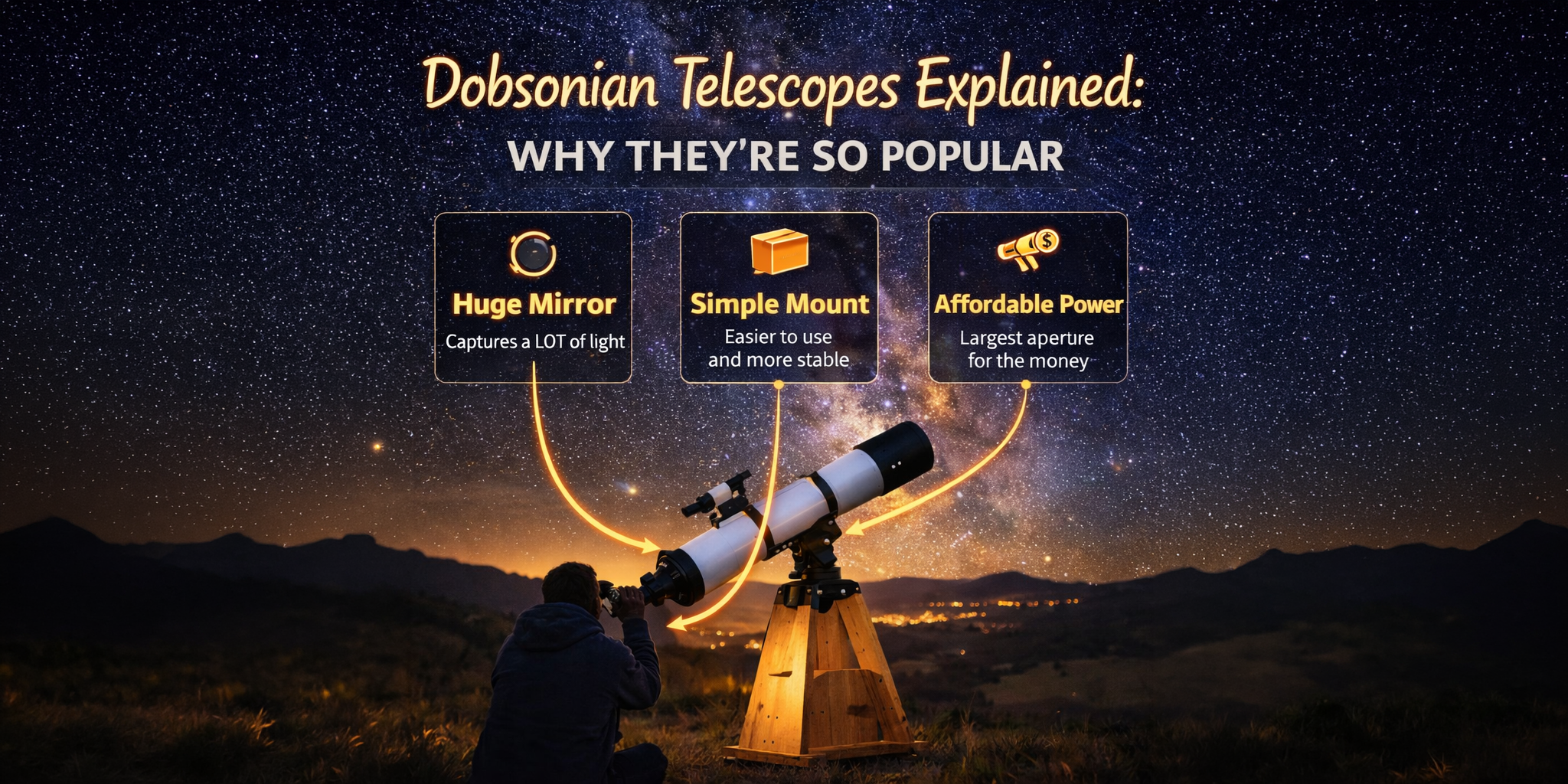
Dobsonian Telescopes Explained: Why They’re So Popular
There’s a piece of astronomy equipment that looks like it was built in someone’s garage, costs less than a decent smartphone, and can show you galaxies two million light-years away.
It’s called a Dobsonian telescope. And it might be the most quietly revolutionary invention in the history of amateur astronomy.
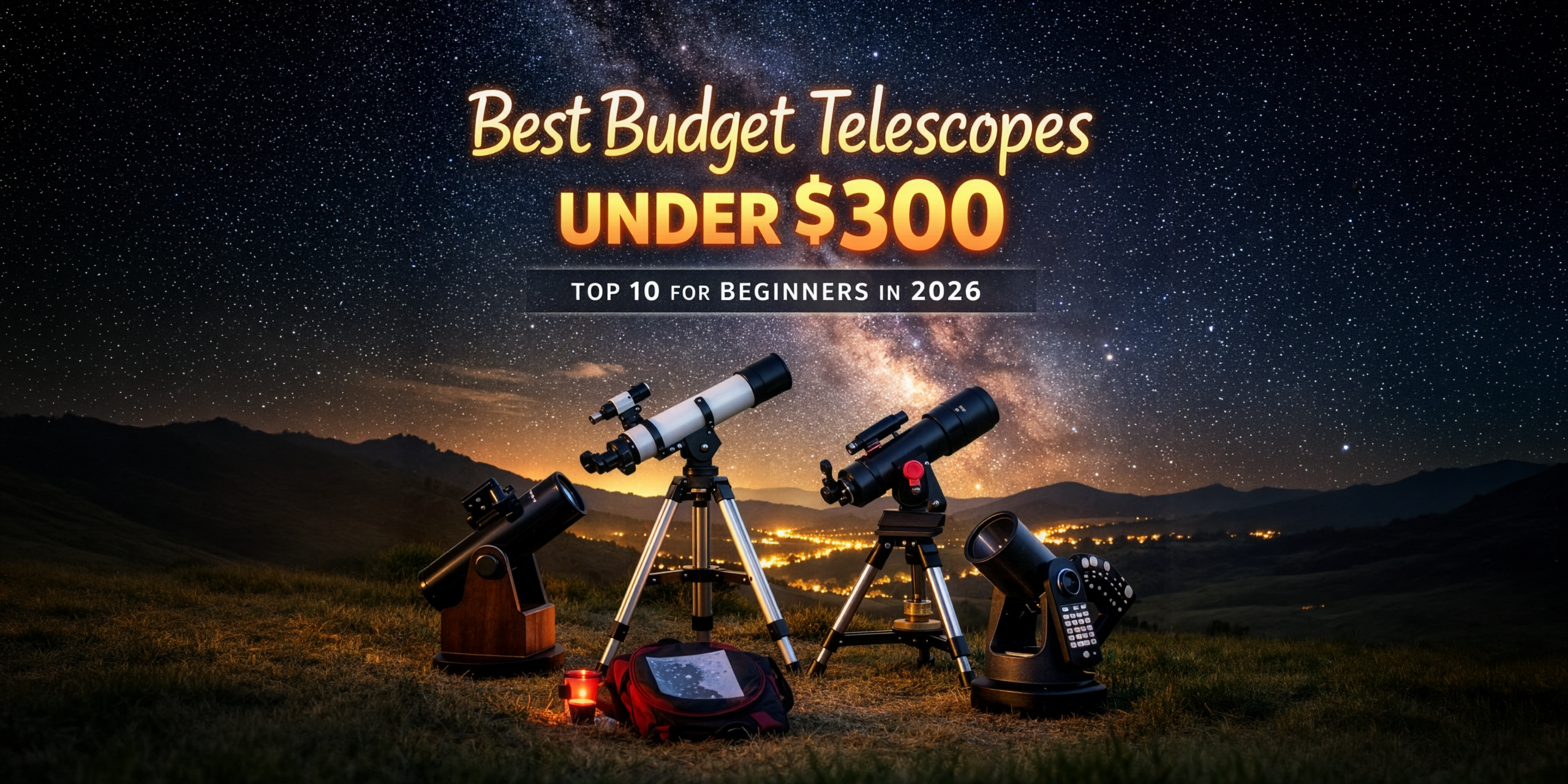
Best Budget Telescopes Under $300 (Top 10 for Beginners in 2026)
The budget telescope market is littered with products that look impressive on paper — “500x magnification!” — and disappoint the moment you actually try to use them. Wobbly mounts, small lenses, cheap eyepieces. Plenty of beginners have bought one of these, struggled for an evening, and quietly given up on astronomy altogether.
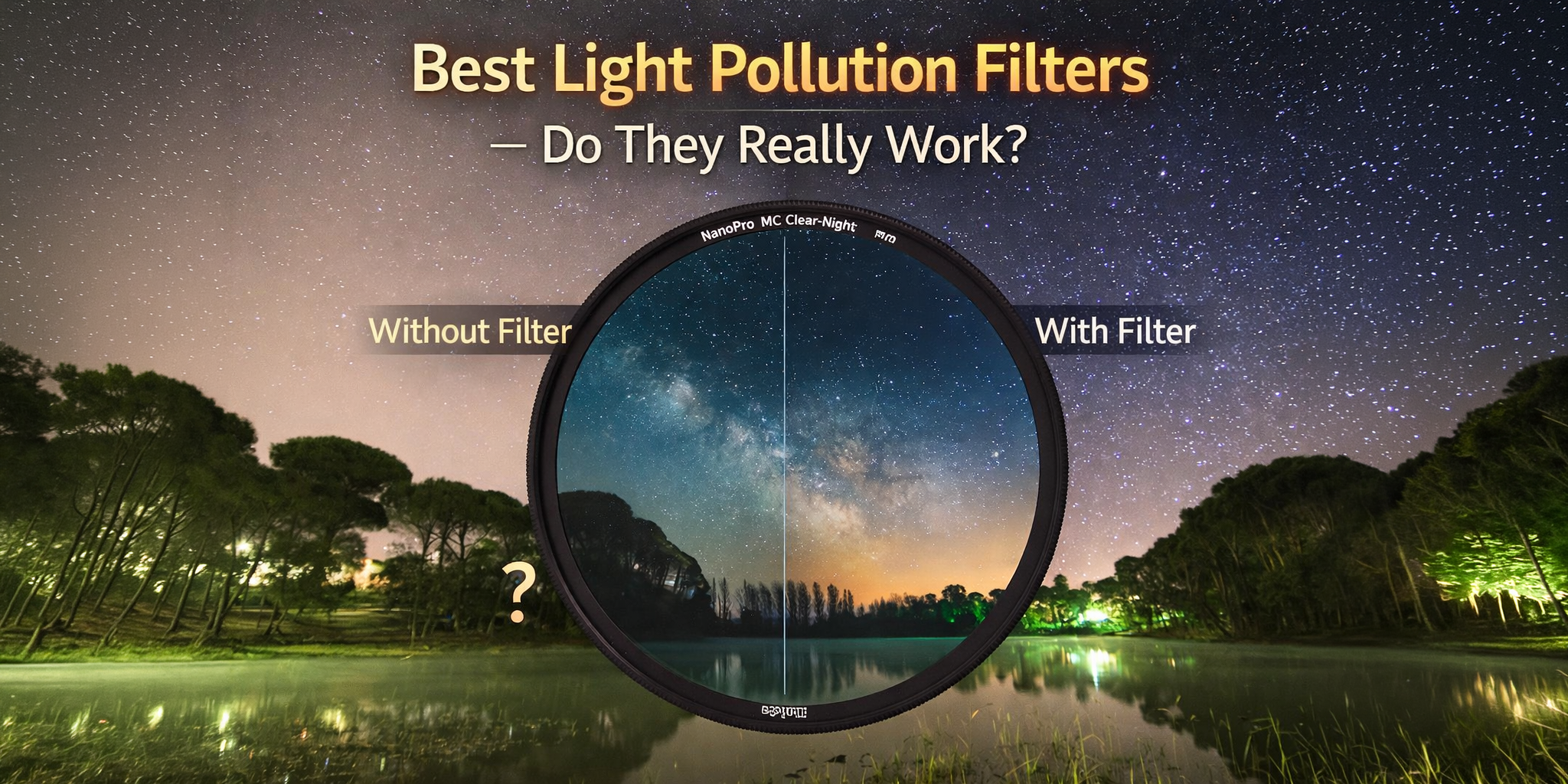
Best Light Pollution Filters – Do They Really Work?
For many amateur astronomers, the biggest obstacle to observing the night sky is not the telescope, the weather, or even experience. It is the sky itself. In modern cities and suburban environments, artificial lighting brightens the atmosphere so much that faint celestial objects become difficult—or sometimes impossible—to see. This phenomenon, known as light pollution, has become one of the most significant challenges for modern astronomy.