
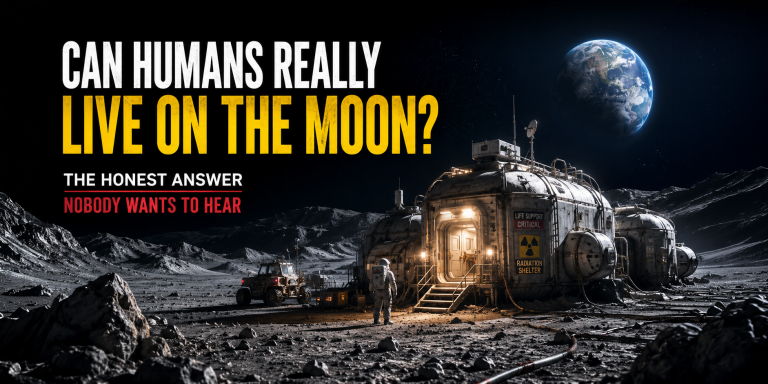
Can Humans Really Live On The Moon? The Honest Answer Nobody Wants To Hear
NASA Just Sent A Crew Around The Moon For The First Time In 50 Years. A Permanent Base Is Next. Here’s What Could Actually Kill You There.
In April 2026, four astronauts flew around the Moon and came back. It was the first crewed mission beyond low Earth orbit since 1972.
The 9 Most Dangerous Places In The Universe — And Why Earth Suddenly Feels Like Paradise
From Magnetars That Would Tear Your Atoms Apart To Stars That Sterilize Entire Galaxies — Space Is Trying To Kill You In Ways You Can’t Even Imagine. Space is mostly empty. And that’s the good news. The bad news? The parts that aren’t empty are some of the most violent
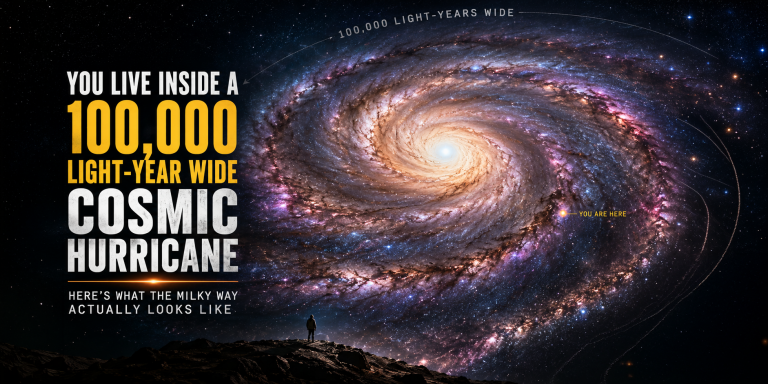
You Live Inside A 100,000 Light-Year Wide Cosmic Hurricane — Here’s What The Milky Way Actually Looks Like
Our Galaxy Is Spinning, Swallowing Smaller Galaxies, And Hiding A Monster At Its Center. And You’re Riding Along.
Here’s something most people don’t think about: you’ve never seen our galaxy from the outside.
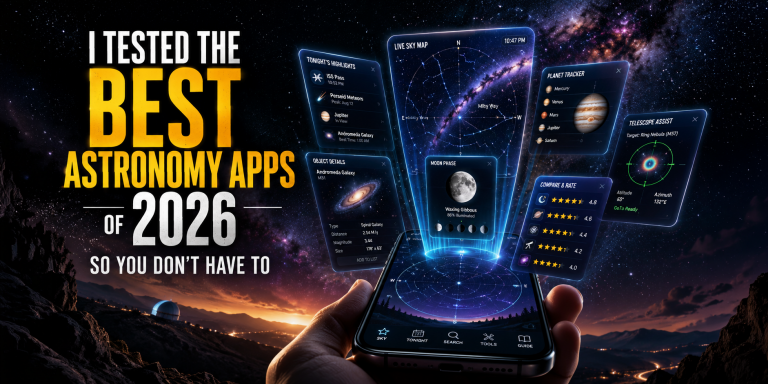
I Tested The Best Astronomy Apps Of 2026 So You Don’t Have To — Here’s Which Ones Actually Deserve Space On Your Phone
Your Smartphone Is Now A Better Star Chart Than Anything Astronomers Had 30 Years Ago. Here’s How To Choose The Right One.
Twenty years ago, learning the night sky required a printed star atlas, a planisphere, a red flashlight, and months of patience.
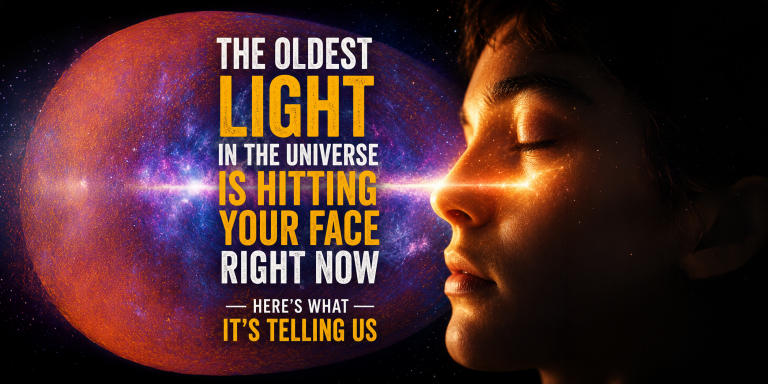
The Oldest Light in the Universe Is Hitting Your Face Right Now — Here’s What It’s Telling Us
The Cosmic Microwave Background: A 13.8 Billion-Year-Old Baby Photo of Everything That Exists
Right now, at this exact moment, ancient light is passing through your body.
Not starlight. Not sunlight. Something far older. Light that has been traveling for 13.8 billion years — since the universe was only 380,000 years old.
What Happens Inside a Black Hole? The Answer Is Worse Than You Think
You Won’t Die Instantly. You’ll Be Stretched Into Spaghetti While Time Itself Breaks Down Around You.
Let’s get the bad news out of the way: if you fall into a black hole, you’re not coming back.
Not because we lack the technology. Not because rescue is difficult. But because the laws of physics themselves won’t allow it. Once you cross the event horizon, every possible path through spacetime — including the path back out — leads further in.
The Blue Moon Is A Lie — And The Real Story Is Way More Interesting Than You Think
It’s Not Blue. It’s Not Rare The Way You’ve Been Told. And The Phrase ‘Once In A Blue Moon’ Comes From A Magazine Error In 1946.
Let’s start with the part that’s going to ruin some Instagram captions.
The Blue Moon is not blue.

How Falcon 9 Actually Works — The Rocket That Made Landing From Space Look Boring
SpaceX Turned Science Fiction Into Routine. Here’s the Engineering That Made It Possible. In 2015, SpaceX landed a rocket booster for the first time. People lost their minds. Now they do it so often that it barely makes the news. As of 2024, SpaceX has successfully landed Falcon 9 boosters
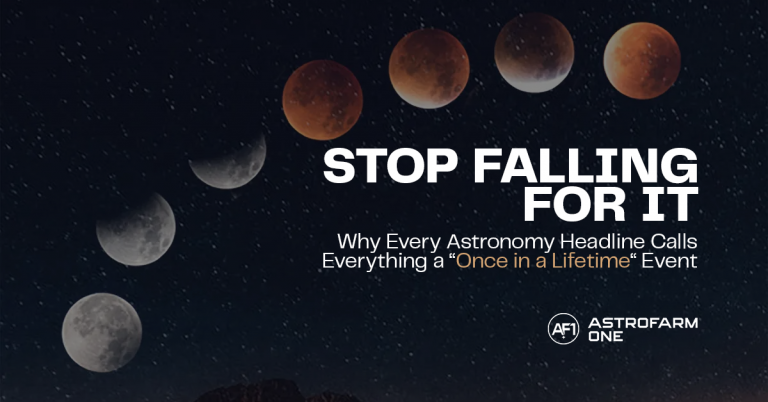
Stop Falling for It: Why Every Astronomy Headline Calls Everything a ‘Once-in-a-Lifetime Event’
The Supermoon Is Back. Again. For the Fifth Time This Decade. And It’s Still ‘Rare.’
You’ve seen the headlines.
‘RARE Supermoon to Light Up the Sky Tonight!’ ‘Once-in-a-Generation Meteor Shower!’ ‘You Won’t See This Again for 100 Years!’
That Massive Telescope You’re Eyeing? Here’s Why It Might Ruin Your Hobby Before It Starts
The Dirty Secret of Amateur Astronomy: Aperture Fever Is Real, and It’s Expensive
Let’s get one thing out of the way: yes, bigger telescopes can see more.
More light. More detail. More faint, distant objects pulled from the cosmic void into your eyepiece.
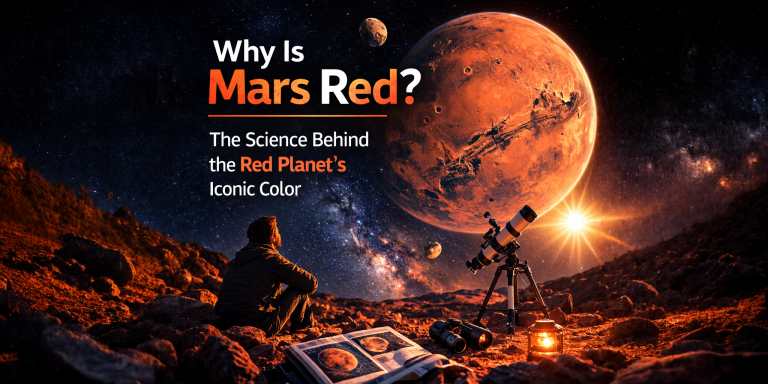
Why Is Mars Red? The Science Behind the Red Planet’s Iconic Color
Mars has been glowing red in the night sky for as long as humans have looked up. Ancient Egyptians called it Her Desher — “the Red One.” The Romans named it after their god of war. Even before telescopes, before spacecraft, before anyone had the faintest idea what a planet actually was, people noticed that Mars looked different. Bloodier. More intense.
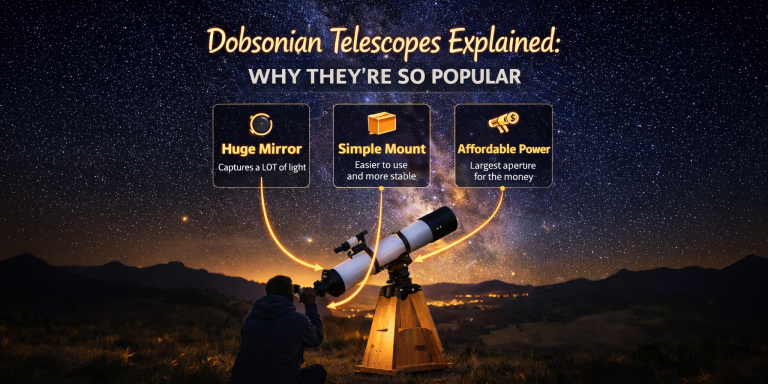
Dobsonian Telescopes Explained: Why They’re So Popular
There’s a piece of astronomy equipment that looks like it was built in someone’s garage, costs less than a decent smartphone, and can show you galaxies two million light-years away.
It’s called a Dobsonian telescope. And it might be the most quietly revolutionary invention in the history of amateur astronomy.
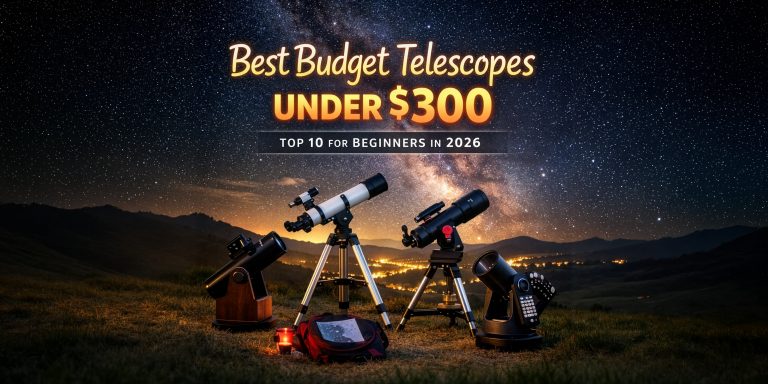
Best Budget Telescopes Under $300 (Top 10 for Beginners in 2026)
The budget telescope market is littered with products that look impressive on paper — “500x magnification!” — and disappoint the moment you actually try to use them. Wobbly mounts, small lenses, cheap eyepieces. Plenty of beginners have bought one of these, struggled for an evening, and quietly given up on astronomy altogether.
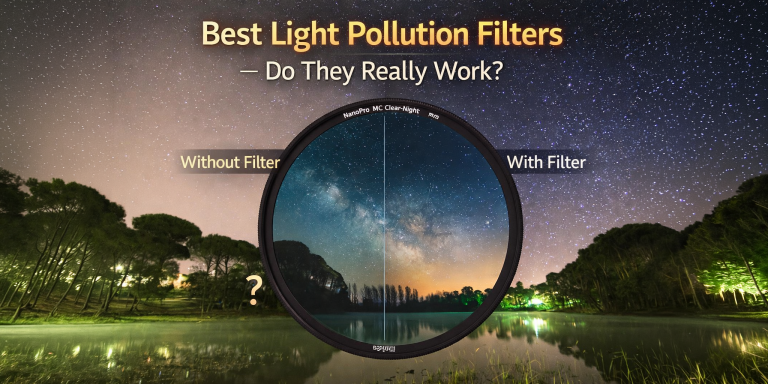
Best Light Pollution Filters – Do They Really Work?
For many amateur astronomers, the biggest obstacle to observing the night sky is not the telescope, the weather, or even experience. It is the sky itself. In modern cities and suburban environments, artificial lighting brightens the atmosphere so much that faint celestial objects become difficult—or sometimes impossible—to see. This phenomenon, known as light pollution, has become one of the most significant challenges for modern astronomy.